In today's digital age, the demand for efficient travel platforms for hybrid and remote workforces is on the rise. This checklist provides insights into the key considerations when selecting digital business travel platforms, catering specifically to the needs of US work settings.
Dive in to explore how these platforms can revolutionize the way we work and travel.
Overview of Digital Business Travel Platforms
Digital business travel platforms are online tools or software solutions that help organizations manage and streamline their travel-related activities for employees. These platforms offer a centralized hub for booking flights, accommodations, ground transportation, and other travel arrangements.
Key Features of Digital Business Travel Platforms
- Integrated Booking System: These platforms allow employees to book all their travel needs in one place, simplifying the process and ensuring consistency.
- Expense Management: Digital business travel platforms often include features for tracking and managing travel expenses, making it easier for employees to submit reimbursement requests.
- Travel Policy Compliance: These platforms can enforce company travel policies, ensuring that employees adhere to guidelines and regulations set by the organization.
- Real-time Updates: Users can receive alerts and notifications regarding their travel itinerary, ensuring they are informed of any changes or disruptions.
Benefits of Utilizing Digital Business Travel Platforms
- Efficiency: By centralizing travel bookings and expenses, these platforms save time and reduce administrative burden for both employees and travel managers.
- Cost Savings: Digital business travel platforms can help organizations negotiate better rates with vendors and identify cost-saving opportunities through data analytics.
- Compliance and Control: Companies can ensure that employees follow travel policies and guidelines, reducing the risk of non-compliance and unauthorized expenses.
- Visibility and Reporting: These platforms offer insights and analytics on travel spending, allowing organizations to track expenses, analyze trends, and make informed decisions.
Factors to Consider When Selecting a Digital Business Travel Platform
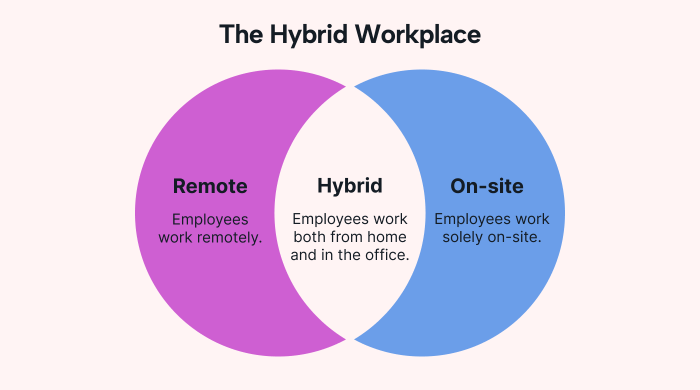
When choosing a digital business travel platform for your hybrid and remote workforce, there are several key factors to consider to ensure smooth operations and maximum efficiency. These platforms play a crucial role in managing travel arrangements, expenses, and compliance, especially in a dispersed work environment like the US.
Integration with Existing Systems
One important criterion is the platform's ability to seamlessly integrate with your company's existing systems, such as HR software, expense management tools, and accounting systems. This integration ensures data consistency and minimizes manual data entry, saving time and reducing errors.
Mobile Accessibility
Another crucial factor is the platform's mobile accessibility, as remote and hybrid work setups often require employees to book travel or manage expenses on the go. A user-friendly mobile app or responsive web interface enables employees to access the platform from anywhere, ensuring productivity and compliance even when working remotely.
Compliance and Security Features
Compliance with travel policies and security protocols is essential for protecting sensitive company data and ensuring employee safety during travel. Look for platforms that offer robust compliance and security features, such as data encryption, two-factor authentication, and policy enforcement capabilities.
Cost-Effectiveness
Cost-effectiveness is also a critical consideration when selecting a digital business travel platform. Evaluate the platform's pricing structure, including subscription fees, transaction costs, and any additional charges for premium features. Consider how the platform's pricing aligns with your budget and expected ROI.
Customer Support and Training
Lastly, consider the level of customer support and training provided by the platform vendor. A responsive customer support team and comprehensive training resources can help employees navigate the platform effectively and address any issues or questions that may arise.By evaluating digital business travel platforms based on these criteria, you can choose a platform that best supports your hybrid and remote US workforce, ensuring seamless travel management and compliance across your organization.
Security and Privacy Considerations
When selecting a digital business travel platform for your hybrid and remote US workforce, it is crucial to prioritize security and privacy considerations. Ensuring that the platform has robust security measures in place and respects data privacy is essential to protect sensitive information and maintain trust with employees
Security Measures for Digital Business Travel Platforms
- End-to-end encryption of data to prevent unauthorized access.
- Multi-factor authentication for user logins to enhance account security.
- Regular security audits and updates to identify and patch vulnerabilities.
- Compliance with industry standards such as GDPR and HIPAA to protect data privacy.
Importance of Data Privacy
Data privacy is a critical aspect to consider when selecting a digital business travel platform, especially for US workforces. Ensuring that employee data is protected and only used for its intended purpose helps build trust and compliance with regulations such as the CCPA.
Potential Security Risks and Mitigation Strategies
- Phishing Attacks:Educate employees on recognizing phishing emails and provide regular training on cybersecurity best practices.
- Data Breaches:Implement strong access controls, encryption, and monitoring tools to detect and respond to breaches promptly.
- Third-Party Risks:Conduct thorough security assessments of third-party vendors and ensure they adhere to strict security standards.
Integration Capabilities with Existing Tools and Systems
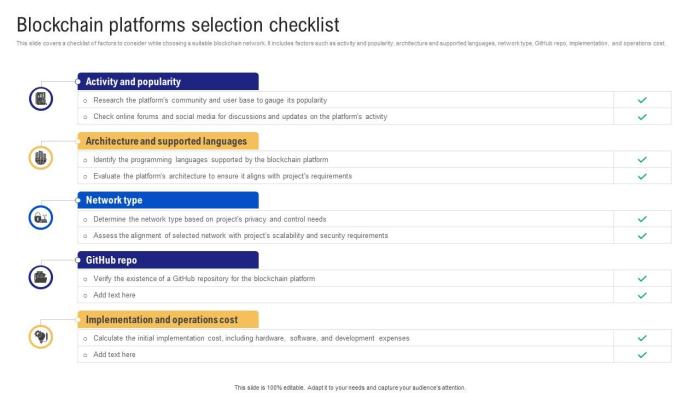
When selecting a digital business travel platform for your hybrid and remote workforce, it is crucial to consider its integration capabilities with existing tools and systems. Seamless integration can enhance productivity and efficiency, making it easier for employees to access and use the platform effectively.
Key Integrations for Productivity and Efficiency
- Integration with calendar applications like Microsoft Outlook or Google Calendar to sync travel itineraries with employees' schedules.
- Integration with expense management tools such as Concur or Expensify to streamline the reimbursement process and ensure compliance with company policies.
- Integration with communication platforms like Slack or Microsoft Teams to facilitate collaboration and real-time updates during business trips.
Best Practices for Smooth Integration
- Ensure that the digital business travel platform offers easy-to-use APIs or connectors for seamless integration with existing tools and systems.
- Conduct thorough testing and pilot phases to identify and resolve any integration issues before full implementation.
- Provide training and support for employees to familiarize themselves with the integrated platform and maximize its benefits.
Final Conclusion
As we conclude our exploration of Digital Business Travel Platforms: Selection Checklist for Hybrid and Remote US Workforces, it becomes evident that embracing these tools is crucial for optimizing productivity and connectivity in modern work environments. By adhering to the checklist, organizations can ensure seamless operations and enhanced collaboration across distributed teams.
Question & Answer Hub
What are the key features of digital business travel platforms?
Digital business travel platforms offer features like itinerary management, expense tracking, and real-time updates for seamless travel planning and execution.
How do these platforms support hybrid and remote work setups?
These platforms enable remote workers to plan and manage their business travel efficiently, ensuring they stay connected and productive while on the go.
What security measures should a digital business travel platform have?
Security measures should include end-to-end encryption, secure payment gateways, and data protection protocols to safeguard sensitive information.
Why is data privacy important when selecting a platform for US workforces?
Data privacy is crucial to comply with US regulations like GDPR and CCPA, ensuring the protection of employee and company data.
How can organizations ensure smooth integration when implementing a new platform?
Organizations can ensure smooth integration by conducting thorough compatibility tests, providing training to employees, and seeking support from the platform provider.