2026 Comparison: Corporate Travel Management Company (TMC) Fees, Service Levels & Technology Stack sets the stage for a detailed exploration of key aspects shaping the corporate travel landscape. As we delve into the intricacies of TMC fees, service levels, and technology stacks, a comprehensive understanding emerges, shedding light on critical considerations for businesses navigating the realm of corporate travel management.
The subsequent section offers a comprehensive breakdown of the evolving dynamics within TMC structures, unraveling the interplay between fees, service quality, and technological advancements.
Corporate Travel Management Company (TMC) Fees
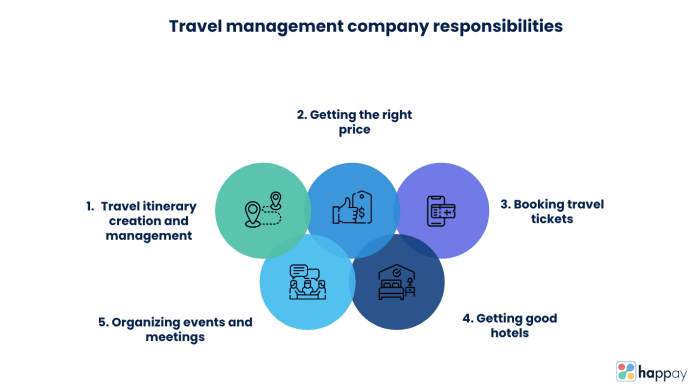
Corporate Travel Management Company (TMC) fees play a crucial role in shaping the overall travel budgets of businesses. Understanding the fee structures of different TMCs in 2026 is essential for making informed decisions regarding corporate travel management.
Comparison of TMC Fee Structures
- Some TMCs charge a flat fee per booking, while others have a tiered pricing system based on the volume of bookings.
- Additional fees may be charged for services such as after-hours support, booking changes, or custom reporting.
- High-end TMCs may offer a premium service package with higher fees but include additional perks like dedicated account managers or VIP travel services.
Impact of TMC Fees on Travel Budgets
- Higher TMC fees can directly impact the overall travel budget of a company, reducing cost savings achieved through negotiated rates with suppliers.
- Businesses must weigh the benefits of lower TMC fees against the potential savings from better negotiated rates and improved travel management.
- Transparent fee structures are crucial for budget forecasting and cost control in corporate travel management.
Correlation between TMC Fees and Service Quality
- While lower TMC fees may attract cost-conscious businesses, they could also indicate a lack of investment in service quality and technology.
- Higher TMC fees are often associated with better service levels, including 24/7 support, advanced booking tools, and personalized travel recommendations.
- Businesses should evaluate the value proposition of TMCs based on a balance of fees and service quality to optimize their travel management strategy.
Trends in TMC Fee Structures
- Over the years, TMC fee structures have evolved to offer more flexibility and customization options to meet the diverse needs of businesses.
- Subscription-based models, performance-based pricing, and bundled service packages are becoming popular trends in TMC fee structures.
- Technology-driven TMCs are leveraging automation and data analytics to optimize fee structures and offer competitive pricing while maintaining service quality.
Service Levels Offered by TMCs
When it comes to selecting a Travel Management Company (TMC), the service levels they offer play a crucial role in determining the overall experience for clients. Different TMCs provide varying levels of service, ranging from basic to premium offerings. Let's explore the importance of service levels and how they impact client satisfaction and retention.
Types of Service Levels
- Basic Service: Includes booking flights, hotels, and car rentals.
- Mid-tier Service: Additional features like 24/7 customer support, travel alerts, and customized reporting.
- Premium Service: Dedicated account managers, VIP travel services, and personalized travel recommendations.
Comparison of Customer Service Experiences
- Company A: Offers personalized trip planning and proactive itinerary adjustments.
- Company B: Provides dedicated customer service agents and instant response times.
- Company C: Focuses on building long-term relationships and understanding unique client needs.
Importance of Service Levels
The service levels offered by a TMC can greatly impact the overall travel experience for clients. A higher service level often translates to better customer support, smoother travel arrangements, and increased satisfaction.
Impact on Client Satisfaction and Retention
Client satisfaction is directly linked to the service levels provided by a TMC. Clients who receive exceptional service are more likely to continue using the TMC for their future travel needs, leading to higher retention rates and positive word-of-mouth recommendations.
Technology Stack Utilized by TMCs

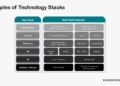
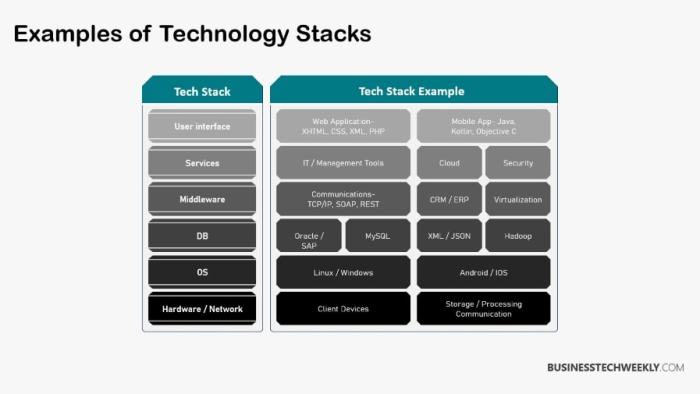
In the rapidly evolving landscape of corporate travel management, technology plays a crucial role in shaping the traveler experience and overall efficiency of operations. Leading Travel Management Companies (TMCs) leverage a variety of technology tools to streamline processes, enhance customer service, and stay ahead of the competition.
Role of Technology in Enhancing the Traveler Experience
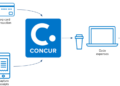
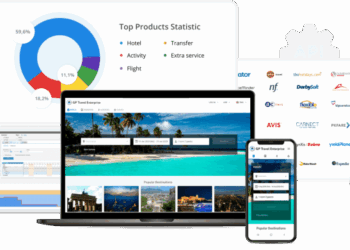
Technology has revolutionized the way travelers interact with TMCs, allowing for seamless booking processes, real-time updates, and personalized travel itineraries. Mobile apps, online booking platforms, and self-service portals have made it easier for travelers to manage their trips and access support whenever needed.
Integration of AI and Automation in TMC Technology Stacks
TMCs are increasingly incorporating artificial intelligence (AI) and automation into their technology stacks to improve efficiency and provide more personalized services. AI-powered chatbots, predictive analytics, and automated expense management systems help TMCs deliver faster response times, tailored recommendations, and cost-saving solutions to travelers.
Impact of Technology on the Efficiency of Corporate Travel Management
The integration of advanced technology tools has significantly enhanced the efficiency of corporate travel management operations. From automated booking processes to data analytics for cost optimization, TMCs are able to streamline workflows, reduce manual errors, and provide valuable insights for better decision-making.
This not only improves the overall traveler experience but also drives cost savings and enhances the competitive edge of TMCs in the market.
Summary
In conclusion, the discourse on 2026 Comparison: Corporate Travel Management Company (TMC) Fees, Service Levels & Technology Stack unveils a tapestry of insights that underscore the pivotal role of these elements in shaping the future of corporate travel. By delving into the nuances of TMC operations, businesses can chart a strategic course that optimizes both cost efficiency and service excellence in the realm of corporate travel management.
Frequently Asked Questions
What impact do TMC fees have on overall travel budgets?
TMC fees directly influence the total cost of corporate travel, affecting budget allocation and expenditure decisions.
How do service levels offered by TMCs impact client satisfaction?
The quality of service levels provided by TMCs plays a crucial role in determining client satisfaction and long-term retention rates.
What technologies are commonly integrated into TMC technology stacks?
Leading TMCs often incorporate AI and automation tools to streamline processes and enhance the traveler experience.